Northern Virginia is a vibrant and politically diverse region that plays a crucial role in the electoral landscape of the Commonwealth. As one of the most populous areas in Virginia, it boasts a unique demographic mix that includes a significant number of young professionals, families, and a growing immigrant population. This diversity not only influences local culture but also shapes the voting campaigns in Northern Virginia, making them dynamic and multifaceted.In recent years, the political climate in Northern Virginia has shifted, reflecting broader national trends. Issues such as education, transportation, healthcare, and social justice resonate deeply with voters here.
Campaigns often focus on these key topics to engage constituents and mobilize support. Understanding this political landscape is essential for any campaign strategy, as it allows candidates to tailor their messages to address the specific concerns of their constituents.Moreover, the significance of grassroots efforts cannot be overstated in this region. With high voter turnout rates and an engaged electorate, voting campaigns in Northern Virginia leverage various outreach methods to connect with voters. Canvassing, particularly door-to-door efforts, has emerged as a vital tool for campaigns aiming to build personal connections and foster community engagement.
This approach not only helps candidates gauge voter sentiment but also encourages participation in the democratic process.
What is Door-to-Door Canvassing?
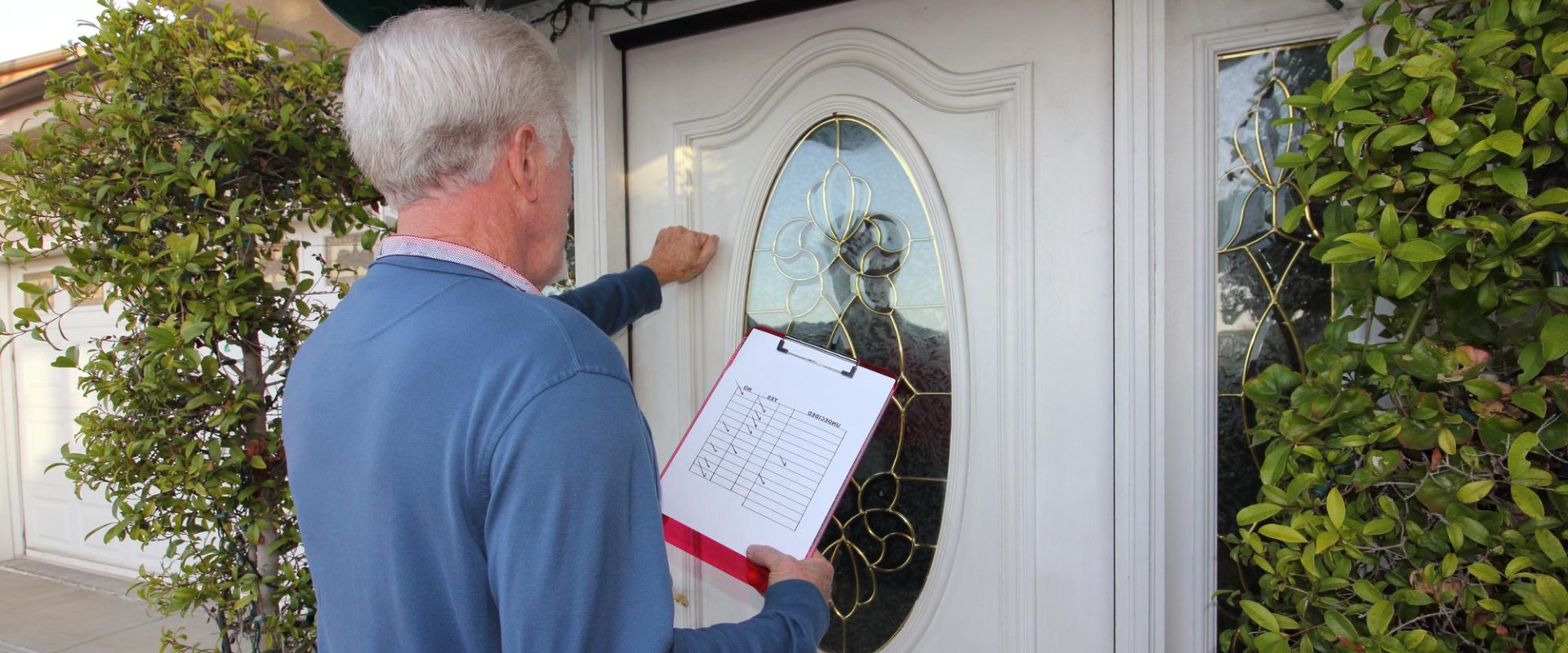
Door-to-door canvassing is a grassroots campaigning technique that involves volunteers or campaign staff visiting voters in their homes to engage them directly. This method is particularly effective in voting campaigns in Northern Virginia, where personal interaction can significantly influence voter turnout and preferences.The primary goal of door-to-door canvassing is to inform voters about candidates, issues, and upcoming elections while also gathering valuable feedback. Canvassers often use a structured approach, which may include:- Preparation: Canvassers are trained on the key messages and issues relevant to the campaign, ensuring they can answer questions and address concerns effectively.
- Targeting: Campaigns often use data analytics to identify neighborhoods or demographics that are likely to support their candidates, allowing for more efficient use of resources.
- Engagement: During visits, canvassers engage voters in conversation, listen to their opinions, and encourage them to participate in the electoral process.
- Follow-up: After initial contact, campaigns may follow up with voters through phone calls or additional visits to reinforce messages and remind them of voting dates.
In Northern Virginia, where diverse populations and varying political views exist, tailored canvassing strategies can address specific local issues that resonate with voters.Moreover, studies have shown that face-to-face interactions can significantly increase voter turnout. By providing information and answering questions directly, canvassers help demystify the voting process and motivate individuals to make their voices heard. In essence, door-to-door canvassing serves as a vital tool in mobilizing voters and shaping the outcomes of elections in Northern Virginia.
The Role of Door-to-Door Canvassing in Voting Campaigns
Door-to-door canvassing plays a pivotal role in voting campaigns in Northern Virginia, serving as a direct line of communication between campaigners and voters. This grassroots approach allows candidates to engage with constituents on a personal level, fostering relationships that can significantly influence voter turnout.Effectiveness of Door-to-Door Canvassing
Research has shown that face-to-face interactions are among the most effective methods for mobilizing voters.
Canvassing not only provides an opportunity to share a candidate's platform but also allows for immediate feedback and dialogue. Voters often appreciate the personal touch, which can lead to increased support and higher likelihood of participation in elections.In Northern Virginia, where diverse communities and varying political views exist, tailored canvassing strategies are essential. Campaigners often focus on:
- Targeting Key Demographics: Understanding the unique concerns of different neighborhoods helps tailor messages that resonate with specific groups.
- Building Trust: Establishing rapport through genuine conversations can break down barriers and encourage voter engagement.
- Utilizing Local Volunteers: Engaging community members as canvassers can enhance credibility and relatability, making voters more receptive to the campaign's message.
Canvassing Strategies
Effective canvassing requires strategic planning. Campaigns often employ various techniques to maximize their outreach:
- Data-Driven Targeting: Using voter data to identify likely supporters ensures that canvassing efforts are focused where they will be most impactful.
- Training Volunteers: Providing thorough training for canvassers equips them with the skills needed to handle objections and engage voters effectively.
- Follow-Up Engagement: After initial contact, campaigns often follow up with voters through phone calls or emails to reinforce their message and encourage participation.
By fostering personal connections and employing targeted strategies, campaigns can significantly enhance their outreach efforts and drive voter engagement.
Case Studies: Successful Canvassing Campaigns in Northern Virginia
Door-to-door canvassing has proven to be a pivotal strategy in various voting campaigns in Northern Virginia, with several case studies showcasing its effectiveness. One notable example is the 2019 Virginia gubernatorial election, where the Democratic Party implemented an extensive canvassing operation that significantly increased voter turnout.In this campaign, volunteers engaged with residents in key districts, focusing on issues such as healthcare and education. The result was a remarkable increase in voter participation, particularly among young voters and minorities, who historically have lower turnout rates. This case illustrates how targeted canvassing can mobilize specific demographics by addressing their unique concerns.Another successful instance occurred during the 2020 presidential election.A grassroots organization launched a canvassing initiative aimed at increasing awareness about mail-in voting options. Volunteers knocked on doors to provide information and assistance with the voting process, which led to a substantial rise in mail-in ballot requests in Northern Virginia. This effort not only educated voters but also fostered a sense of community engagement.The impact of these canvassing efforts can be quantified through data analysis. For instance, areas with high canvassing activity reported up to a 15% increase in voter turnout compared to previous elections.
This correlation underscores the importance of direct voter contact in influencing electoral outcomes.In summary, the case studies from Northern Virginia highlight that successful canvassing campaigns are not just about knocking on doors; they are about building relationships, addressing community concerns, and ultimately driving higher voter engagement. As seen in these examples, effective canvassing can lead to significant shifts in election results, making it an indispensable tool in modern voting campaigns.
Challenges Faced by Canvassers in Northern Virginia
Door-to-door canvassing plays a crucial role in voting campaigns in Northern Virginia, yet it is not without its challenges. Canvassers often encounter a variety of obstacles that can hinder their effectiveness and impact voter engagement.Community Resistance
One of the primary challenges faced by canvassers is community resistance. Many residents may be skeptical of political outreach, viewing it as intrusive or unwelcome.This skepticism can lead to negative interactions, where canvassers are met with hostility or indifference. Building trust within diverse communities is essential, but it requires time and effort that can be difficult to achieve in a short campaign cycle.
Logistical Issues
Logistical challenges also pose significant hurdles. Northern Virginia's varied geography, with its mix of urban and suburban areas, can complicate canvassing efforts. Canvassers must navigate traffic, parking limitations, and varying neighborhood layouts, which can lead to inefficient use of time and resources.Additionally, the need for proper training and materials can strain campaign budgets, making it difficult for smaller organizations to compete.
Voter Engagement Issues
Engaging voters effectively is another critical challenge. Canvassers must not only deliver information about candidates and issues but also inspire residents to participate in the electoral process. This requires strong communication skills and an understanding of the local electorate's concerns. If canvassers fail to connect with voters on a personal level, they risk diminishing interest in the campaign altogether. In summary, while door-to-door canvassing is a vital strategy in voting campaigns in Northern Virginia, it comes with significant challenges.Overcoming community resistance, addressing logistical issues, and enhancing voter engagement are essential for maximizing the impact of canvassing efforts.
Best Practices for Effective Door-to-Door Canvassing
Door-to-door canvassing is a powerful tool in voting campaigns in Northern Virginia, but its effectiveness hinges on the implementation of best practices. Here are some actionable tips to enhance your canvassing efforts:- Know Your Audience: Research the demographics and voting history of the neighborhoods you plan to canvass. Tailoring your message to resonate with specific groups can significantly increase engagement.
- Train Your Canvassers: Equip your team with comprehensive training that covers not only the campaign's key messages but also effective communication techniques. Role-playing scenarios can help prepare them for real interactions.
- Use Engaging Materials: Provide canvassers with visually appealing flyers, brochures, or door hangers that highlight important information about the campaign and voting process.
Ensure these materials are easy to read and understand.
- Be Personable: Encourage canvassers to approach each door with a friendly demeanor. A warm smile and a genuine introduction can break the ice and foster a positive interaction.
- Listen Actively: Canvassing is not just about delivering a message; it’s also about listening to voters’ concerns. Train your team to ask open-ended questions and engage in meaningful conversations.
- Follow Up: After initial contact, consider implementing a follow-up strategy. This could involve sending thank-you notes or reminders about upcoming voting dates, which can reinforce your campaign's presence.
FAQs About Door-to-Door Canvassing and Voting Campaigns
Door-to-door canvassing plays a crucial role in voting campaigns in Northern Virginia, serving as a direct method for candidates and campaign volunteers to engage with voters.Here are some frequently asked questions about this practice:
- What is door-to-door canvassing?
Door-to-door canvassing involves campaign volunteers visiting homes in specific neighborhoods to discuss candidates, share information about issues, and encourage residents to vote. This personal approach helps build relationships and trust within the community. - How effective is door-to-door canvassing?
Research shows that face-to-face interactions can significantly increase voter turnout. In Northern Virginia, where community ties are strong, canvassing can be particularly effective in mobilizing voters who may otherwise remain disengaged. - What are the main goals of canvassing?
The primary goals include educating voters about candidates and issues, identifying supporters, and encouraging them to participate in elections. Canvassing also allows campaigns to gather valuable feedback on voter concerns. - How do campaigns choose which areas to canvass?
Campaigns often analyze demographic data and past voting patterns to identify neighborhoods with high potential for support.Targeting specific areas helps maximize the impact of their outreach efforts.
- What should volunteers expect during canvassing?
Volunteers should be prepared for a variety of responses, from enthusiastic support to indifference or opposition. Effective training can help them handle different situations and communicate the campaign's message clearly.
Conclusion: The Future of Door-to-Door Canvassing in Northern Virginia Voting Campaigns
As we reflect on the role of door-to-door canvassing in voting campaigns in Northern Virginia, it becomes clear that this grassroots approach remains a vital component of electoral strategies. Throughout this article, we have explored how canvassing not only facilitates direct voter engagement but also fosters community connections that are essential for mobilizing support.The effectiveness of door-to-door canvassing lies in its ability to create personal interactions.Voters are more likely to respond positively when approached by someone who understands their concerns and can address them directly. This personal touch is particularly important in a diverse region like Northern Virginia, where issues can vary significantly from one neighborhood to another.Looking ahead, the future of door-to-door canvassing in Northern Virginia's voting campaigns will likely evolve alongside technological advancements and changing voter behaviors. Here are some key considerations:
- Integration with Digital Tools: Campaigns may increasingly use data analytics and social media to identify target areas and tailor their messaging, enhancing the effectiveness of canvassing efforts.
- Training and Resources: Providing volunteers with comprehensive training on local issues and effective communication strategies will be crucial for successful canvassing.
- Community Engagement: Building long-term relationships with communities will be essential, as voters are more inclined to support candidates who demonstrate genuine investment in their neighborhoods.


