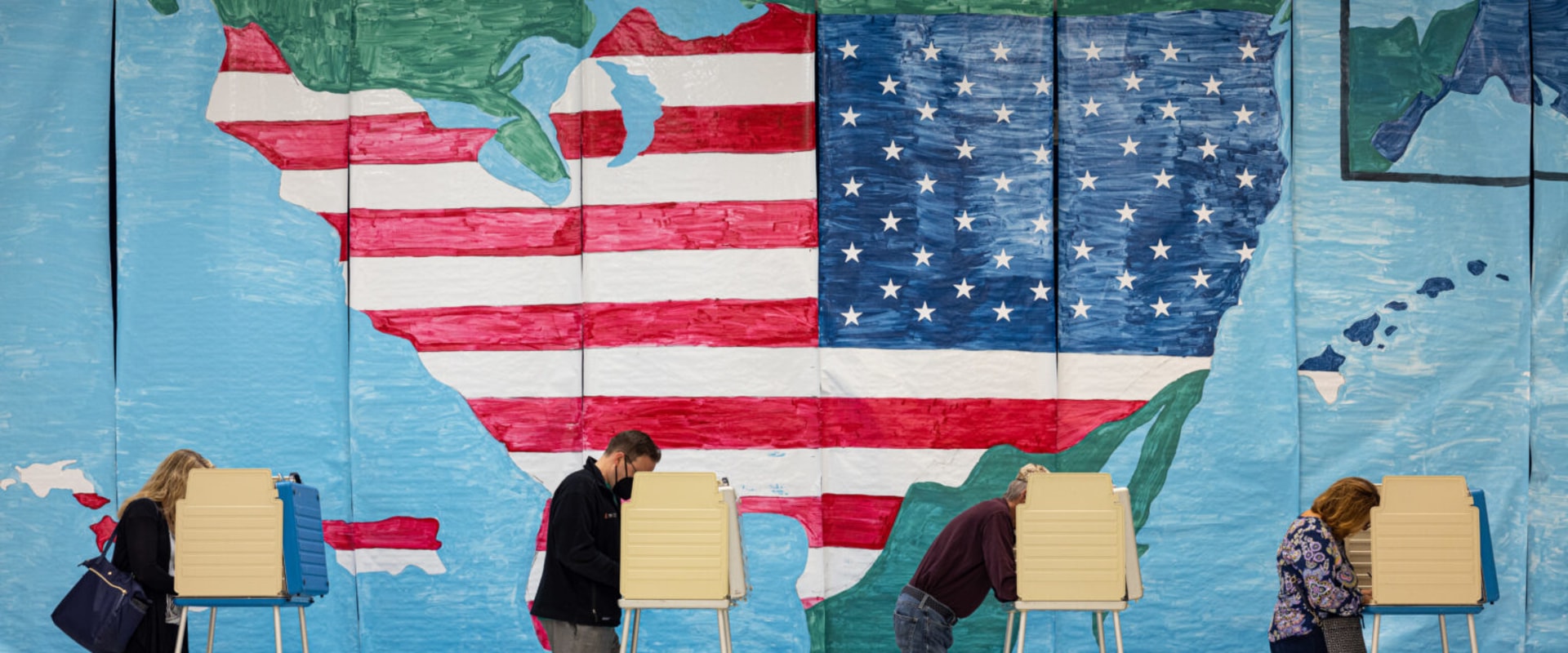
Voting campaigns in Virginia are as diverse as the state itself, reflecting a rich tapestry of political beliefs, demographics, and regional priorities. Understanding the nuances of voting campaigns in Northern Virginia compared to those in Southern Virginia is crucial for grasping how local issues shape electoral strategies. Northern Virginia, with its proximity to the nation’s capital, boasts a highly educated and diverse population that influences campaign tactics and messaging. In contrast, Southern Virginia often emphasizes more traditional values and local concerns, leading to distinct approaches in engaging voters. The differences in voting campaigns between these two regions are not merely academic; they have real implications for candidates and their ability to connect with constituents.
For instance, campaigns in Northern Virginia may focus heavily on issues like transportation, education funding, and technology, appealing to a demographic that prioritizes innovation and progress. Conversely, Southern Virginia campaigns might center around agricultural policies, economic development, and community-oriented initiatives that resonate with a more rural electorate. As we delve deeper into this comparison, it becomes evident that the effectiveness of a campaign hinges on its ability to adapt to the unique characteristics of its audience. By examining the strategies employed in both Northern and Southern Virginia, we can uncover valuable insights into how regional dynamics shape political discourse and voter engagement.
Overview of Voting Campaigns in Northern Virginia
Voting campaigns in Northern Virginia are characterized by a unique blend of demographic diversity, political engagement, and strategic campaigning that sets them apart from other regions in the state. This area, which includes cities like Arlington, Alexandria, and Fairfax, boasts a population that is not only diverse in ethnicity but also in political ideology.Northern Virginia's political landscape
is heavily influenced by its proximity to Washington D.C., attracting a large number of federal employees and professionals. This demographic tends to lean more liberal compared to the rest of Virginia, which significantly impacts campaign strategies. Candidates often focus on issues such as education, transportation, and healthcare, which resonate with the concerns of urban voters.
- Voter Demographics: The voter base in Northern Virginia is notably younger and more educated than in Southern Virginia. According to recent statistics, over 50% of residents hold a bachelor’s degree or higher.
This educational attainment influences their voting preferences and the types of campaigns that are successful.
- Political Parties: The Democratic Party has seen significant success in recent elections, largely due to the changing demographics and increased voter turnout among younger populations. However, Republican candidates still maintain a presence, particularly in more suburban areas.
- Campaign Strategies: Campaigns in Northern Virginia often utilize digital platforms extensively. Social media outreach and targeted online advertising are crucial for engaging younger voters. Additionally, grassroots organizing plays a vital role, with many campaigns focusing on door-to-door canvassing and community events to build personal connections with voters.
Understanding these elements is essential for candidates aiming to connect with the electorate effectively.
Overview of Voting Campaigns in Southern Virginia
Voting campaigns in Southern Virginia are shaped by a distinct political landscape that reflects the region's unique demographics and cultural values. Unlike their counterparts in Northern Virginia, campaigns in this area often focus on local issues that resonate with the community, such as agriculture, education, and economic development.Voter demographics
in Southern Virginia play a crucial role in shaping campaign strategies. The population is generally older and more rural compared to Northern Virginia, which influences the types of messages candidates prioritize. For instance, candidates may emphasize traditional values and community-oriented policies to appeal to the electorate.- Political Affiliation: Southern Virginia tends to lean more conservative, with a significant number of voters identifying as Republican.
This political affiliation impacts campaign messaging, often leading candidates to adopt more right-leaning platforms.
- Community Engagement: Campaigns in this region often rely heavily on grassroots efforts. Candidates frequently engage with voters through town hall meetings and local events, fostering a sense of community involvement.
- Media Strategy: Local media outlets play a vital role in disseminating campaign information. Candidates often utilize regional newspapers and radio stations to reach their audience effectively.
Understanding these elements is essential for candidates aiming to connect with voters in this unique political landscape.
Key Differences Between Northern and Southern Virginia Voting Campaigns
Voting campaigns in Northern Virginia and Southern Virginia exhibit distinct characteristics shaped by demographic, cultural, and political factors. Understanding these differences is crucial for candidates aiming to effectively engage voters in each region.Campaign Strategies Comparison
In Northern Virginia, where urbanization and diversity are more pronounced, campaigns often leverage data-driven strategies. Candidates utilize advanced analytics to target specific voter demographics, focusing on issues like transportation, education, and healthcare that resonate with a more progressive electorate. In contrast, Southern Virginia campaigns tend to adopt a more traditional approach, emphasizing grassroots efforts and community engagement.Here, candidates often rely on door-to-door canvassing and local events to build personal connections with voters.
Voter Engagement Tactics
The methods of voter engagement also differ significantly between the two regions. Northern Virginia campaigns frequently employ digital platforms and social media to reach younger voters and those who prefer online communication. This includes targeted ads on platforms like Facebook and Instagram, as well as email campaigns that highlight key issues and mobilize supporters.Conversely, Southern Virginia campaigns may prioritize face-to-face interactions and local media outreach. Town hall meetings and community forums are common tactics used to foster dialogue and address local concerns directly.This approach not only builds trust but also encourages voter turnout by making constituents feel heard and valued.
Impact of Local Issues
Local issues play a significant role in shaping campaign narratives in both regions. In Northern Virginia, candidates often focus on urban challenges, such as traffic congestion and affordable housing, which are critical to the suburban electorate. Meanwhile, Southern Virginia candidates may center their campaigns around rural concerns, including agricultural policies and economic development initiatives that resonate with their constituents.Ultimately, the effectiveness of voting campaigns in each region hinges on the ability of candidates to adapt their strategies to the unique needs and preferences of their voters. By recognizing these key differences, candidates can better position themselves for success in the diverse political landscape of Virginia.Impact of Demographics on Voting Campaign Strategies
The demographics of a region play a crucial role in shaping the strategies employed in voting campaigns.In Northern Virginia, the population is characterized by a higher concentration of young professionals, diverse ethnic backgrounds, and advanced education levels. This demographic profile necessitates campaigns that are tailored to resonate with these groups.For instance, candidates in Northern Virginia often focus on issues such as education reform, transportation improvements, and environmental sustainability, which are priorities for younger voters and those with higher educational attainment. Campaigns frequently utilize digital platforms and social media to engage this tech-savvy electorate, employing targeted ads that speak directly to the interests and concerns of these demographics.
Contrasting Southern Virginia Demographics
In contrast, Southern Virginia has a more rural population with different demographic characteristics. Here, the electorate tends to be older, with a significant portion of residents having lower levels of formal education.As a result, voting campaigns in this region often emphasize traditional values, economic development, and agricultural issues.
- Age: Younger voters dominate Northern Virginia, while Southern Virginia has a larger elderly population.
- Ethnicity: Northern Virginia is more ethnically diverse compared to the predominantly White demographic in Southern Virginia.
- Education: Higher education levels in Northern Virginia lead to campaigns that focus on progressive issues.
Case Studies: Successful Campaigns in Both Regions
Understanding the nuances of voting campaigns in Northern Virginia compared to those in Southern Virginia can provide valuable insights into effective electoral strategies.Here, we explore two case studies that exemplify successful campaigns in each region.
Successful Campaign in Northern Virginia
In 2020, a grassroots campaign for a local congressional seat in Northern Virginia utilized a multi-faceted approach that combined digital outreach with community engagement. The campaign focused on issues such as healthcare and education, which resonated strongly with the diverse electorate. Key strategies included:- Targeted Social Media Advertising: The campaign leveraged platforms like Facebook and Instagram to reach younger voters, using tailored messages that highlighted the candidate's commitment to progressive policies.
- Community Events: Organizing town halls and meet-and-greets allowed voters to connect personally with the candidate, fostering trust and enthusiasm.
- Voter Mobilization Efforts: Collaborating with local organizations helped increase voter turnout, particularly among underrepresented groups.
Successful Campaign in Southern Virginia
Conversely, a campaign in Southern Virginia during the same election cycle focused on traditional outreach methods while addressing local economic concerns. This campaign successfully engaged voters through:- Door-to-Door Canvassing: Volunteers knocked on doors to discuss issues directly with constituents, emphasizing the candidate's understanding of local challenges.
- Local Media Engagement: The campaign utilized local newspapers and radio stations to share the candidate's message, ensuring it reached a broader audience.
- Focus on Economic Development: By prioritizing job creation and infrastructure improvements, the campaign aligned its message with the immediate needs of Southern Virginia residents.
Understanding these differences is crucial for future voting campaigns in Northern Virginia and beyond.
Challenges Faced by Voting Campaigns in Each Region
Voting campaigns in Northern Virginia and Southern Virginia face distinct challenges that can significantly impact their effectiveness. Understanding these regional obstacles is crucial for campaign strategists aiming to mobilize voters successfully.Challenges in Northern Virginia
- Funding Issues: Campaigns in Northern Virginia often require substantial financial resources due to the high cost of media and outreach efforts in urban areas. Candidates must compete for donations against well-funded opponents, making fundraising a critical challenge.
- Voter Turnout: While Northern Virginia has a higher population density, mobilizing voters can be difficult. Many residents are transient, leading to lower engagement levels among those who may not feel a strong connection to local issues.
- Local Opposition: Campaigns may encounter organized opposition from established political groups or community organizations that have deep roots in the area, complicating outreach efforts.
Challenges in Southern Virginia
- Limited Resources: Southern Virginia often struggles with fewer financial resources and less media coverage, making it challenging for campaigns to reach potential voters effectively.
- Cultural Barriers: The region's diverse cultural landscape can lead to misunderstandings or miscommunications between candidates and constituents, requiring tailored messaging strategies.
- Voter Apathy: Lower voter turnout is a significant issue in Southern Virginia, where residents may feel disillusioned with the political process or believe their votes do not matter.
Campaigns must navigate these obstacles by leveraging local knowledge, building community relationships, and employing innovative outreach methods to engage voters effectively.
Future Trends in Voting Campaigns for Virginia
As we look towards the future of voting campaigns in Northern Virginia and Southern Virginia, several trends are emerging that could significantly shape the political landscape. The integration of technology into campaign strategies is one of the most notable changes. With the rise of social media platforms and digital marketing, candidates are increasingly leveraging these tools to reach voters more effectively.Data analytics
is becoming a cornerstone of campaign strategies. In Northern Virginia, where demographics are diverse and rapidly changing, campaigns are utilizing data to tailor their messages to specific voter segments.This approach allows for more personalized outreach, which can enhance voter engagement and turnout.
Shifts in Voter Behavior
Another trend is the evolving behavior of voters. Younger generations, who are more tech-savvy, are becoming a larger part of the electorate. Campaigns in Northern Virginia are adapting by focusing on issues that resonate with these voters, such as climate change and social justice. In contrast, Southern Virginia may see campaigns that emphasize traditional values and local economic issues, reflecting the different priorities of their constituents.The Role of Technology
The impact of technology on voting campaigns cannot be overstated.Innovations such as mobile voting apps and online voter registration are making it easier for citizens to participate in elections. In Northern Virginia, where urban populations are more likely to embrace these technologies, campaigns may prioritize digital outreach strategies. Conversely, Southern Virginia might still rely on more conventional methods like door-to-door canvassing and community events to connect with voters.
- Increased use of social media: Campaigns will likely continue to harness platforms like Facebook, Twitter, and Instagram to engage with voters directly.
- Focus on grassroots movements: Both regions may see a rise in grassroots campaigns that emphasize local issues and community involvement.
- Enhanced voter education: As misinformation spreads, campaigns will need to invest in educating voters about the electoral process and candidates' positions.
Conclusion: Understanding Regional Differences for Effective Campaigning
In conclusion, understanding the nuances of voting campaigns in Northern Virginia compared to those in Southern Virginia is crucial for any political strategist or candidate aiming for success.The distinct demographic, cultural, and political landscapes of these regions necessitate tailored approaches to campaigning.Throughout this article, we have explored several key differences:
- Demographics: Northern Virginia is characterized by a diverse population with a higher concentration of young professionals and minorities, while Southern Virginia tends to have a more homogeneous demographic profile.
- Political Climate: The political leanings in Northern Virginia are generally more progressive, influenced by proximity to Washington D. C., whereas Southern Virginia often leans conservative, reflecting traditional values.
- Campaign Strategies: Effective campaigns in Northern Virginia often leverage technology and social media to engage voters, while Southern Virginia campaigns may focus more on grassroots efforts and community events.
By acknowledging and embracing these regional differences, candidates can enhance their outreach efforts and foster stronger connections with voters, leading to more effective campaigning overall.


